
Condensation & Damp
The tell-tale signs of condensation damp are wet walls and windows; a musty smell; creeping black mould; peeling wallpaper &/or flaky plaster. It can wreak havoc & even trigger health issues if left unchecked but, fortunately, there are ways to deal with it.
Condensation is the most common type of damp in most homes, especially those that aren’t well insulated or ventilated. It is usually worse in winter & often found in period properties.
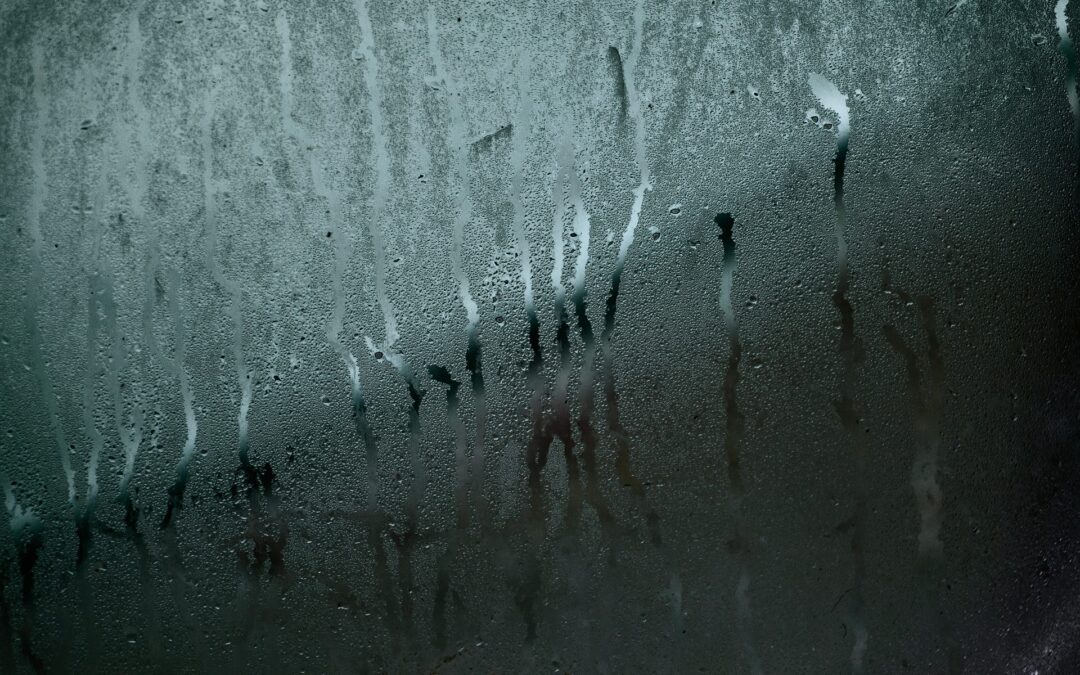
Condensation is created when warm, humid air meets a colder surface, such as a wall or window, & as the temperature drops water droplets are created on the surface.
Condensation damp is different from rising damp which comes from an external source, such as ground water, damaged drains, or roof & window leaks.
Don’t panic if a window is a bit wet, steamed up or cold because some condensation is normal in most houses. It only becomes a problem if the water that condenses isn’t removed either by running off to a suitable drain or by evaporation.
What causes it?
Normal, everyday activities, like breathing or boiling a kettle create humidity in our houses. Lots of activities create moisture in the air such as cooking, showering, exercising and drying clothes on radiators.
However, if your house isn’t ventilated properly, humidity or moisture may be trapped inside the house for a long period of time. Without adequate airflow, it can create problems.
It’s common to see condensation damp in unventilated bathrooms or kitchens. If you shower in a small bathroom that does not have an extractor fan, and your door and windows are closed, the steam from the shower will condense into water on any cold surface, such as an uninsulated external wall.
What to look out for
Condensation damp is usually identifiable as patches of black mould, or you might see water trickling down windows. Wallpaper and paint may start to peel and there may also be unpleasant smells.
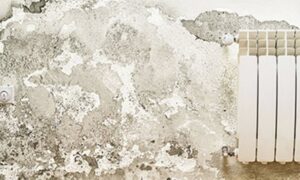
Wooden areas can rot so check for damage to windows frames, skirting boards and floors.
Black mildew forms in corners where damp air has accumulated e.g. on shower curtains.
In extreme cases, you see fungal growths. I once lived in a house that had mushrooms growing out from behind a curtain!
Modern homes are required to follow the latest Building Regulations, but older houses are more likely to have single rather than double glazing, & solid brick walls, rather than cavity walls or insulated walls.
Condensation can also occur in a cupboard containing a washing machine or tumble dryer, unless well ventilated or used with the doors open. Unfortunately the machines are noisy so people tend to close the doors.
Condensation damp can be simple to fix but it can cause untold damage if left unchecked.
Over time, condensation will cause windows to rot, plaster and brick surfaces can start to bubble and crumble. Unsealed plaster would show evidence in a few weeks, painted plaster after a few months and brickwork after maybe a year. All this could affect the value of your property as prospective buyers will need to take remedial action & could ask you to foot the bill.
Furniture can be damaged & damp can also adversely affect your health. Damp encourages the growth of dust mites which might trigger the development of allergies and asthma.
Prevention is better than Cure
There are plenty of steps you can take immediately to reduce condensation.
- Call in a professional. Many specialists carry out free damp surveys & will give you a quote to resolve any issues. You can then decide to either employ them, get other quotes or do the job yourself.
- Make sure the house is ventilated and there is good air flow.
- During warm weather keep doors & windows open during the day.
- Shut kitchen and bathroom doors when cooking and bathing, so that moisture won’t travel around the house.
- Make sure furniture doesn’t touch a wall
- Where possible, dry your clothes outside in the garden, avoid using your clothes airer in the house or drying clothes on radiators
- Wipe down windows and windowsills on a daily basis where condensation occurs
- Fit double-glazed windows.
- Good electric ventilator fans in kitchens and bathrooms are crucial as they move damp air out of your room which gets replaced by dry air. Fans can be irritatin in the middle of the night but you can get quiet models and adjust the timer so the fan only runs for a short time.
- Install a humidistat fan which has sensors; the fan only operates when a certain level of humidity is reached.
- Fit extractors with heat exchangers; these capture some of the heat from the air you’re extracting and use it to warm the air coming into the room, reducing heat loss and energy costs.
- Use one or more air dehumidifiers or similar devices.
Does your property suffer with condensation issues? If you need any help do get in touch I am more than happy to help 🙂


